Full Arch Dental Implants (All-on-4) in Naperville, IL
Whether you're missing all or most of your teeth or simply tired of uncomfortable, ill-fitting dentures, implant-supported restorations can give you a permanent, beautiful smile that stays in your mouth. If only a few gaps are the issue, a multi-tooth implant restoration may suit you better, and when failing teeth need to come out first, gentle tooth extraction can be paired with same-visit implant placement. For added comfort during longer surgeries, many patients also choose sedation dentistry. Dr. Brammeier offers full-arch implant bridges and implant-supported overdentures at Brammeier Dental of Naperville that look, feel, and function like natural teeth. Eat the foods you love, speak with confidence, and smile without worry.
What it is
A full set of replacement teeth held by strategically placed dental implants, either as a fixed bridge permanently attached to the implants or a removable overdenture that snaps securely into place.
Who it's for
Anyone missing all or most of their teeth, dealing with failing teeth, or frustrated by loose, uncomfortable traditional dentures who wants a stable, permanent solution.
How we help
Precise implant placement through computer-guided surgery with advanced CT imaging, custom-designed restorations, and personalized treatment plans, because every patient's needs and jawbone are different.
Done with dentures? Implant-supported teeth stay in your mouth and feel completely natural.
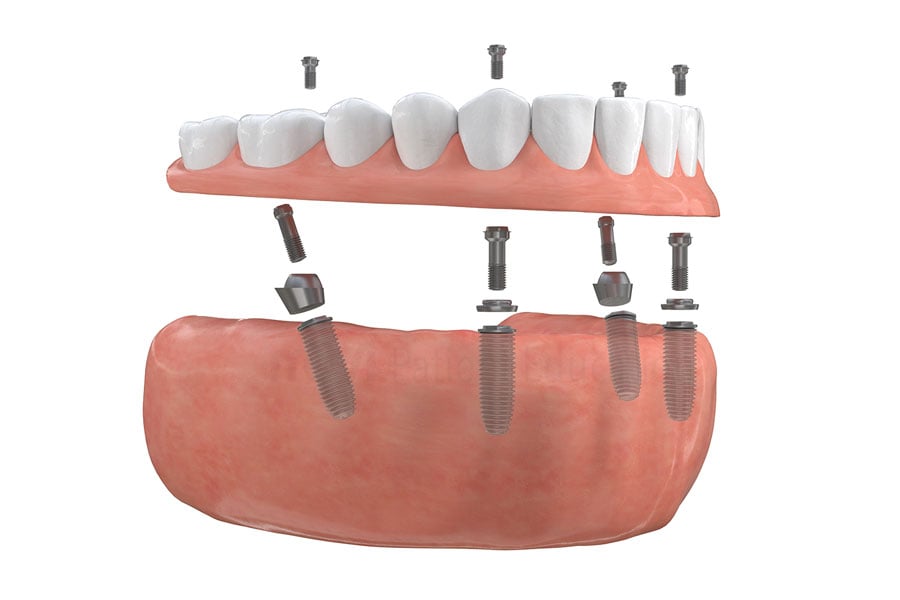
Full-Arch Implant Bridge
- A complete set of teeth permanently fixed to 4–6 dental implants per arch
- Stays put at all times, with nothing to remove, no adhesives, and no slipping
- Bite and chew any food with full power, free of dietary restrictions
- Stimulates the jawbone through the implant posts, preserving bone
- Looks completely natural, designed to match ideal tooth shape, size, and color
- Often called "All-on-4" or "teeth in a day," depending on the technique used
- Because computer-guided placement pinpoints the areas of highest bone density, Dr. Brammeier can often eliminate the need for bone grafting
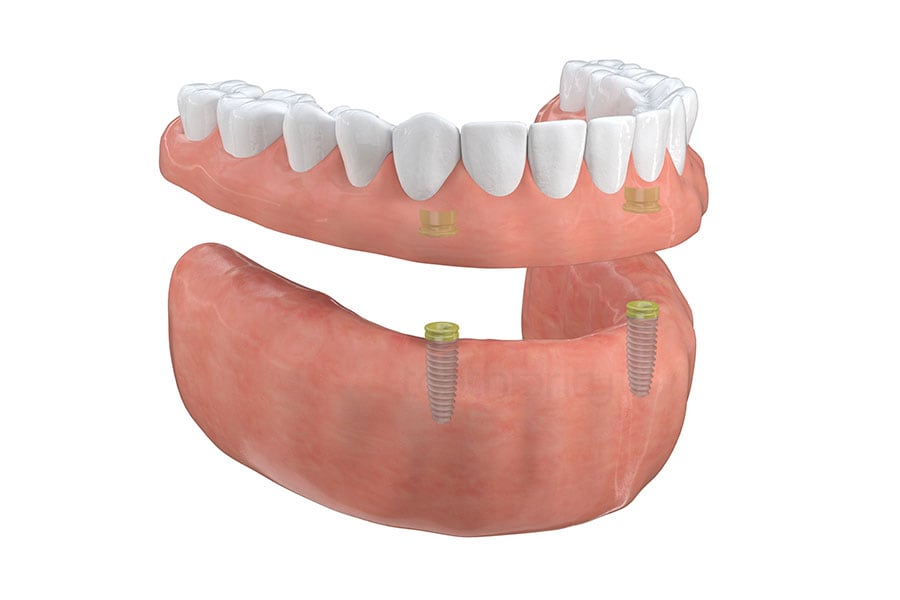
Implant-Supported Overdentures
- Built on a full denture that snaps securely onto dental implants for stability and comfort
- Removable at home for cleaning and maintenance, then clicked back into place
- Far steadier than traditional dentures, with no slipping, rocking, or adhesives
- Eat, drink, and speak with confidence all day long
- Dr. Brammeier attaches a supporting structure to the implants so your overdentures click into place
- A cost-effective alternative to a full-arch fixed bridge
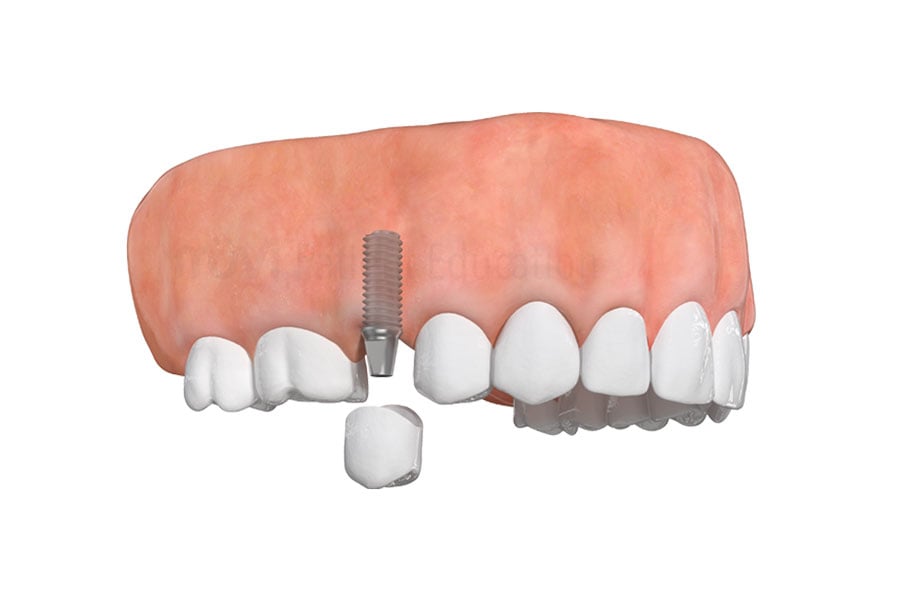
Implants vs. Traditional Dentures
- Bone preservation: By stimulating the jawbone, implants prevent the deterioration that happens under traditional dentures
- Stability: Anchored to the bone, implant restorations don't slip, shift, or need messy adhesives
- Comfort: No sore spots from loose dentures rubbing against the gums
- Eating: Bite and chew normally, whereas traditional dentures reduce chewing capacity by up to 75%
- Taste: Because implant bridges don't cover the roof of your mouth, you can fully taste your food
- Appearance: Implants prevent the sunken, collapsed look that sets in as bone melts away under traditional dentures
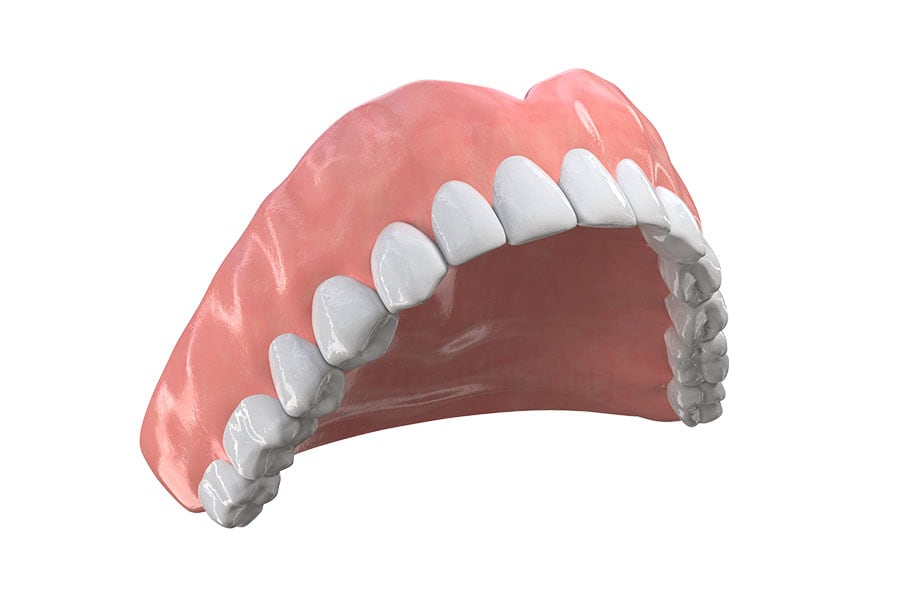
Problems with Traditional Dentures
- With no tooth roots, the jawbone resorbs and shrinks, so dentures loosen over time
- As bone changes, traditional dentures need constant adjustment and eventually replacement
- Sticky adhesives are often needed to hold dentures in place
- Many patients struggle to eat, speak, and taste food
- Bone loss brings on a collapsed, aged facial appearance
- By replacing the root as well as the crown, implant-supported restorations solve all of these problems
Of every tooth replacement, only dental implants preserve your jawbone and maintain your facial structure.
What to Expect at Your Visit
Visit Steps
- Comprehensive evaluation: Using digital X-rays and CT scans, Dr. Brammeier examines your mouth and jawbone
- Custom treatment plan: A personalized plan is built around your bone density, number of implants needed, and restoration type
- Implant placement: Titanium implants are surgically placed, with sedation options available for comfort
- Healing: Over several months, the implants integrate with the jawbone, and temporary teeth may be provided
- Final restoration: Your custom bridge or overdenture is permanently placed or fitted
Helpful Tips
- Every patient's treatment plan is unique, so the number of implants, healing time, and cost depend on your specific situation
- When significant bone loss has occurred, bone grafting may be needed before implant placement
- Temporary teeth can be worn during the healing period, so you're never without a smile
- Follow all post-surgical care instructions to support successful healing
- Keep up excellent oral hygiene around implant restorations
- Ask about flexible financing options to make full mouth restoration affordable
Frequently Asked Questions
Put loose dentures behind you for good. Schedule your full mouth restoration consultation today.