Dental Implants for a Missing Tooth in Naperville, IL
More than your smile is at stake when a tooth goes missing. The gap can lead to bone loss, shifting teeth, and difficulty chewing. Replacing the tooth quickly protects your long-term oral health, whether you've recently undergone a tooth extraction or have lived with the gap for years. Using the latest techniques and computer-guided technology, Dr. Brammeier places dental implants at Brammeier Dental of Naperville that look, feel, and function just like your natural teeth. Implants are the only tooth replacement that preserves your jawbone and protects the health of surrounding teeth, giving you a permanent, confident smile. If you have several gaps, an implant bridge or traditional dental bridge may also be worth discussing.
What it is
Surgically placed into the jawbone, a titanium post fuses with the bone and supports a custom porcelain crown, permanently replacing a missing tooth from root to crown.
Who it's for
Anyone missing a single tooth who wants a permanent, natural-looking replacement that preserves bone while leaving neighboring teeth untouched.
How we help
Precise placement through computer-guided surgery with advanced digital imaging and CT scans, custom treatment planning, and a restoration that looks and functions exactly like your natural tooth.
Few options come closer to your real tooth than a dental implant. Schedule your consultation today.
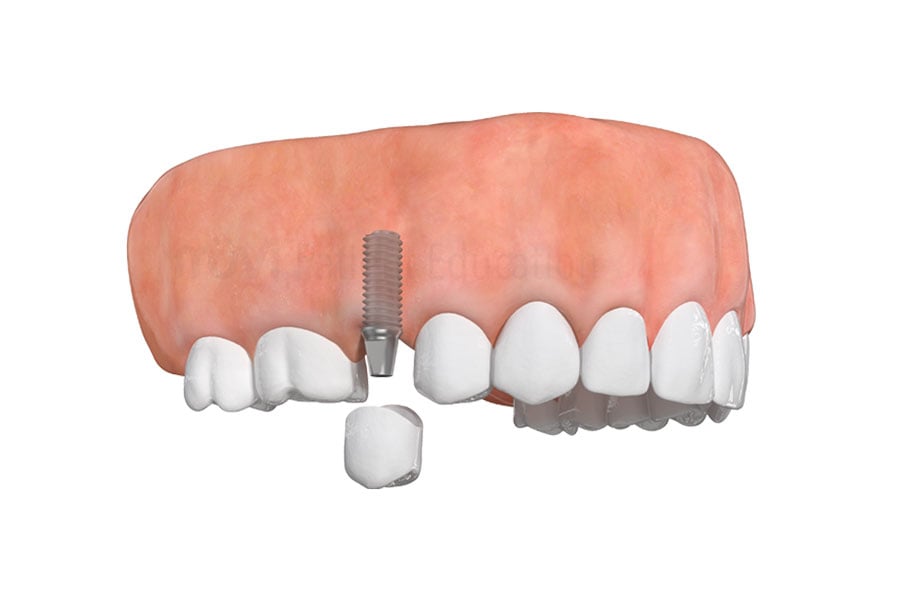
Dental Implant vs. Traditional Bridge
- Preserves neighbors: Standing on its own, an implant means no filing down or crowning of healthy adjacent teeth
- Prevents bone loss: Like a natural root, the titanium post stimulates the jawbone and keeps it strong and healthy
- Lasts a lifetime: Dental implants can last your entire life with proper care, while bridges typically need replacement every 10–15 years
- Easier to maintain: Brush and floss normally, with no special tools or threading required
- Natural feel: An implant looks, feels, and functions exactly like your real tooth
- Because a bridge relies on crowning the teeth on either side, those teeth can be damaged over time
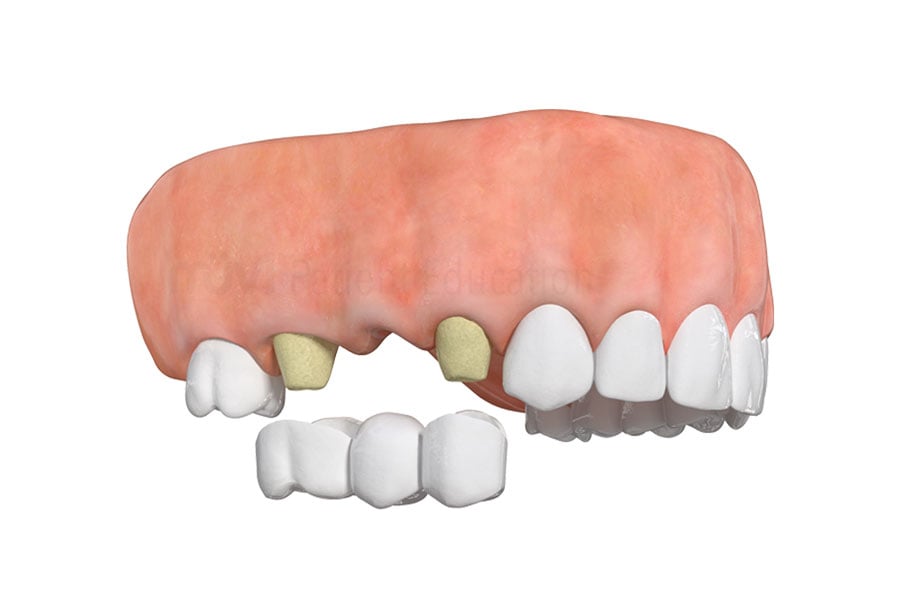
Why Choose an Implant?
- Looks natural: Your new tooth is virtually indistinguishable from the rest of your smile
- Eat anything: Bite and chew with full confidence, free of dietary restrictions
- Stays in place: Permanently anchored in your jawbone, with no slipping, shifting, or adhesives
- Protects your jaw: Prevents the bone deterioration that sets in when a tooth root is missing
- One-time investment: Unlike bridges and dentures, implants don't need to be refitted or replaced
- Learn about flexible financing options to make implants affordable
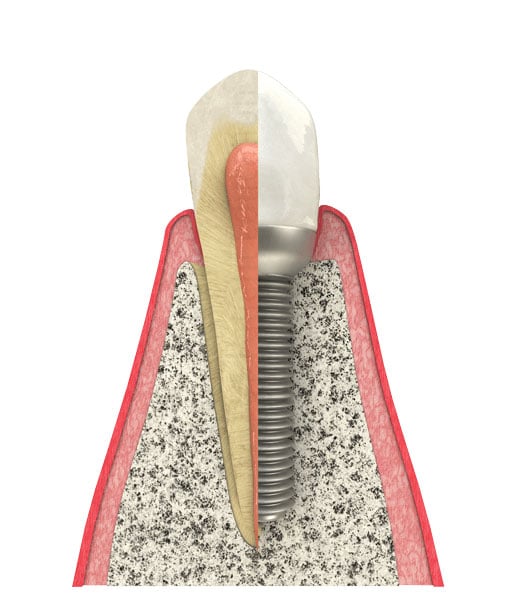
The Implant Process
- Consultation: Using digital X-rays and CT scans, Dr. Brammeier examines your teeth and builds a precise treatment plan
- Implant placement: Under local anesthesia, a small titanium post is set into the jawbone
- Healing period: Over 3–6 months, the implant fuses with the bone in a process called osseointegration
- Abutment: A connector piece is fitted onto the implant to support the crown
- Crown placement: A custom porcelain crown is attached to complete your new tooth
- In some cases, bone grafting may be needed before implant placement
For tooth replacement, dental implants set the gold standard. Find out if you're a candidate.
What to Expect at Your Visit
Visit Steps
- Evaluation: With advanced diagnostic imaging, Dr. Brammeier thoroughly examines your teeth and jawbone
- Treatment plan: You receive a personalized plan covering timeline, cost, and what to expect at each stage
- Implant surgery: Performed under local anesthesia, the procedure leaves most patients with minimal discomfort
- Healing: Over several months, the implant integrates with your jawbone
- Final restoration: Your custom crown is placed to complete your new smile
Helpful Tips
- Most patients are back to normal activities the day after implant surgery
- Follow your post-operative care instructions carefully to support successful healing
- During the initial healing period, steer clear of hard or crunchy foods near the implant site
- Keep up excellent oral hygiene by brushing twice daily and flossing around the implant
- Keep all follow-up appointments so Dr. Brammeier can monitor healing progress
- Let us know about any medications you are taking, since certain ones may influence the healing process
- With proper care, your dental implant can last a lifetime
Frequently Asked Questions
Reclaim your smile for good. Schedule your dental implant consultation today.