TMJ/TMD Treatment & Jaw Pain Relief in Naperville, IL
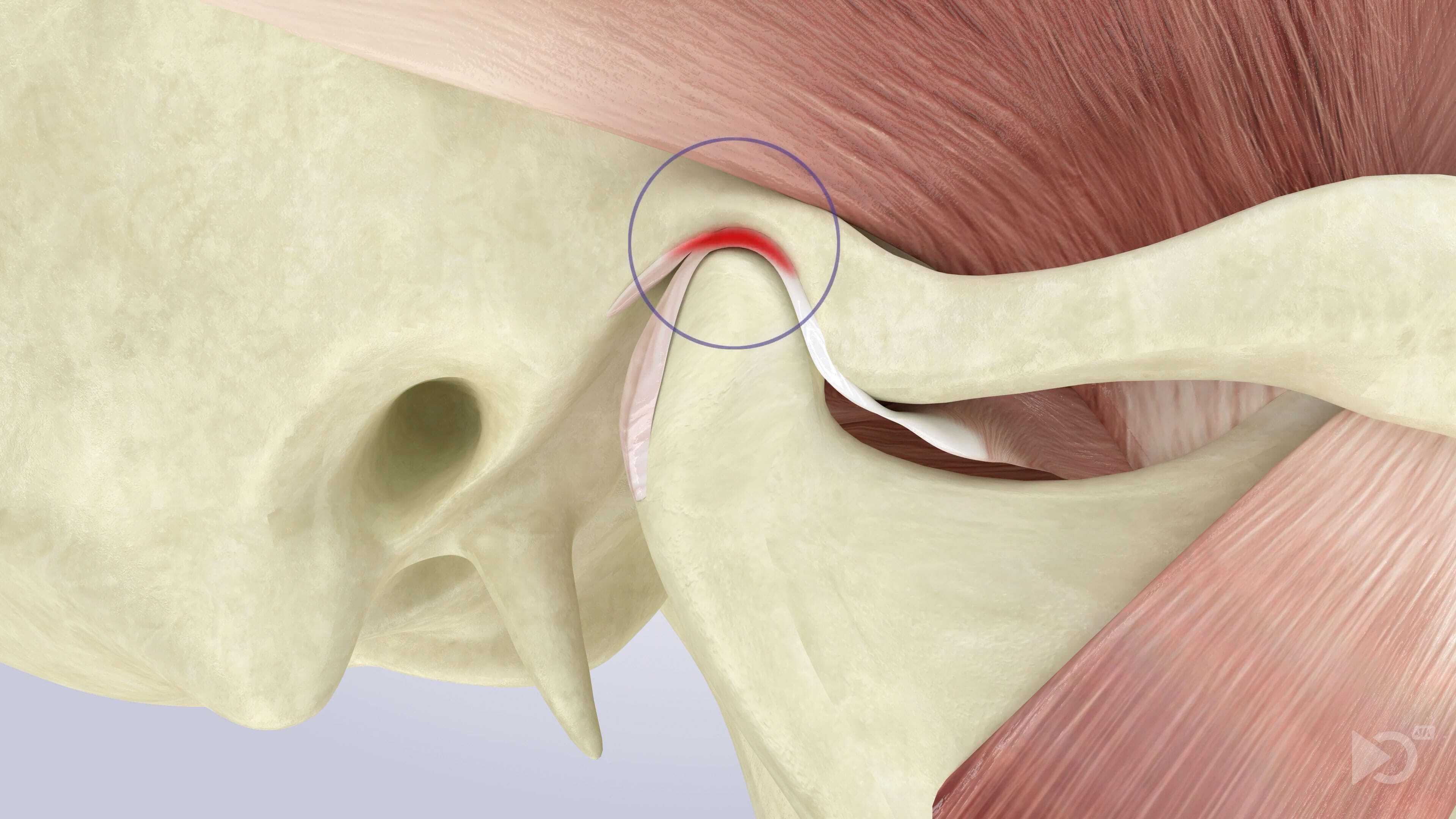
If chronic headaches or jaw pain are wearing you down, your doctor offers headache treatments that target the source. Frequent migraines and headaches can be a sign of a TMJ (temporomandibular joint) disorder, since the TMJ is what connects the lower jaw to the skull. A misaligned jaw or teeth can overextend that joint, and the result is chronic joint inflammation and headaches. Treatment options include mouth guards (for nighttime teeth grinding) and malocclusion treatments (for misaligned teeth).
Signs Your Headache Could Be Dental-Related
If one or more of the symptoms below sound familiar, you may have a TMJ disorder, also known as TMD:
- Limited movement in the jaw
- A bite that feels uncomfortable
- Clenching or grinding your teeth overnight
- Popping or clicking in the jaw when you eat
- Ongoing pain in the ears, face, or temples that your physician hasn't traced to a cause
- Facial muscles that feel stiff when you wake in the morning
Dental-Related Headache Treatment
To address dental-related headaches in Naperville, your doctor in Naperville, IL offers mouth guards and corrective treatments for malocclusion. Both approaches fix an uncomfortable bite, which can ease the jaw straining behind the headaches. Here's a closer look at the headache treatments your doctor provides:
Botox® therapy
Therapeutic Botox is the number one medication for treating chronic migraines and headaches. By relaxing the facial muscles, Botox® heads off migraines and headaches before they start, reducing or eliminating them.
Mouth guards & appliances
Mouth guards stop the nighttime teeth grinding and jaw clenching that, left untreated, can wear down teeth and throw off your bite. Depending on your needs, a customized mouth guard can fit the full upper teeth, the full lower teeth, or the full mouth.
Malocclusion corrective treatments
Facial pain and other TMD symptoms can stem from teeth that are misaligned or missing. Your doctor starts by examining you to confirm your teeth and gums are healthy, then maps out a course of treatment for any dental complications such as gum disease, which can leave teeth loose or missing. Next he checks that any crowns you have were fitted correctly for your mouth, since restorative dentistry is an option when crowns or other work don't fit properly. Finally, if your mouth is otherwise healthy and your previous dental work isn't affecting your bite, dental implants are worth considering for any missing teeth. Dental implants level out the surfaces of your teeth and prevent the excessive jaw strain an uneven bite can cause.
Jaw pain doesn't have to be your normal. Schedule a TMJ evaluation and find out which treatment is right for you.
What it is
TMD is a disorder of the temporomandibular joint (TMJ), the hinge linking your jaw to your skull, that brings on pain, clicking, locking, or limited jaw movement.
Who it's for
Patients facing jaw pain or clicking, chronic headaches or migraines, teeth grinding (bruxism), facial tension, or trouble opening their mouth fully.
How we help
A thorough clinical evaluation and digital imaging, followed by custom oral appliances, therapeutic Botox injections, and bite adjustment, all of them conservative, non-surgical approaches.
Frequently Asked Questions
Jaw pain doesn't have to be your normal. Schedule a TMJ evaluation and find out which treatment is right for you.